
Understanding Modern Business Telephone Systems
Updated Jul 15
In today’s fast-paced environment, communication technology plays a critical role in business operations. Choosing the right business telephone systems can significantly impact efficiency, customer service, and overall productivity. I will guide you through the essentials of modern telephone technology, helping you make informed decisions tailored to your needs.
Why Modern Business Telephone Systems Matter
Businesses require reliable communication channels to connect with clients, partners, and internal teams. Traditional phone lines no longer meet the demands of dynamic work environments. Modern business telephone systems offer flexibility, scalability, and integration with other digital tools.
Key benefits include:
- Cost efficiency: Lower call and maintenance costs compared to legacy systems.
- Scalability: Easily add or remove lines as your business grows or changes.
- Advanced features: Call forwarding, voicemail-to-email, auto-attendants, and conferencing.
- Mobility: Support for remote work through mobile apps and softphones.
- Integration: Seamless connection with CRM, helpdesk, and other business software.
For example, a manufacturing facility can use call routing to direct urgent maintenance requests to the right technician immediately, reducing downtime. Similarly, a retail business can improve customer satisfaction by using automated menus to handle high call volumes efficiently.

Key Components of Business Telephone Systems
Understanding the components helps in selecting the right system. Modern telephone systems typically include:
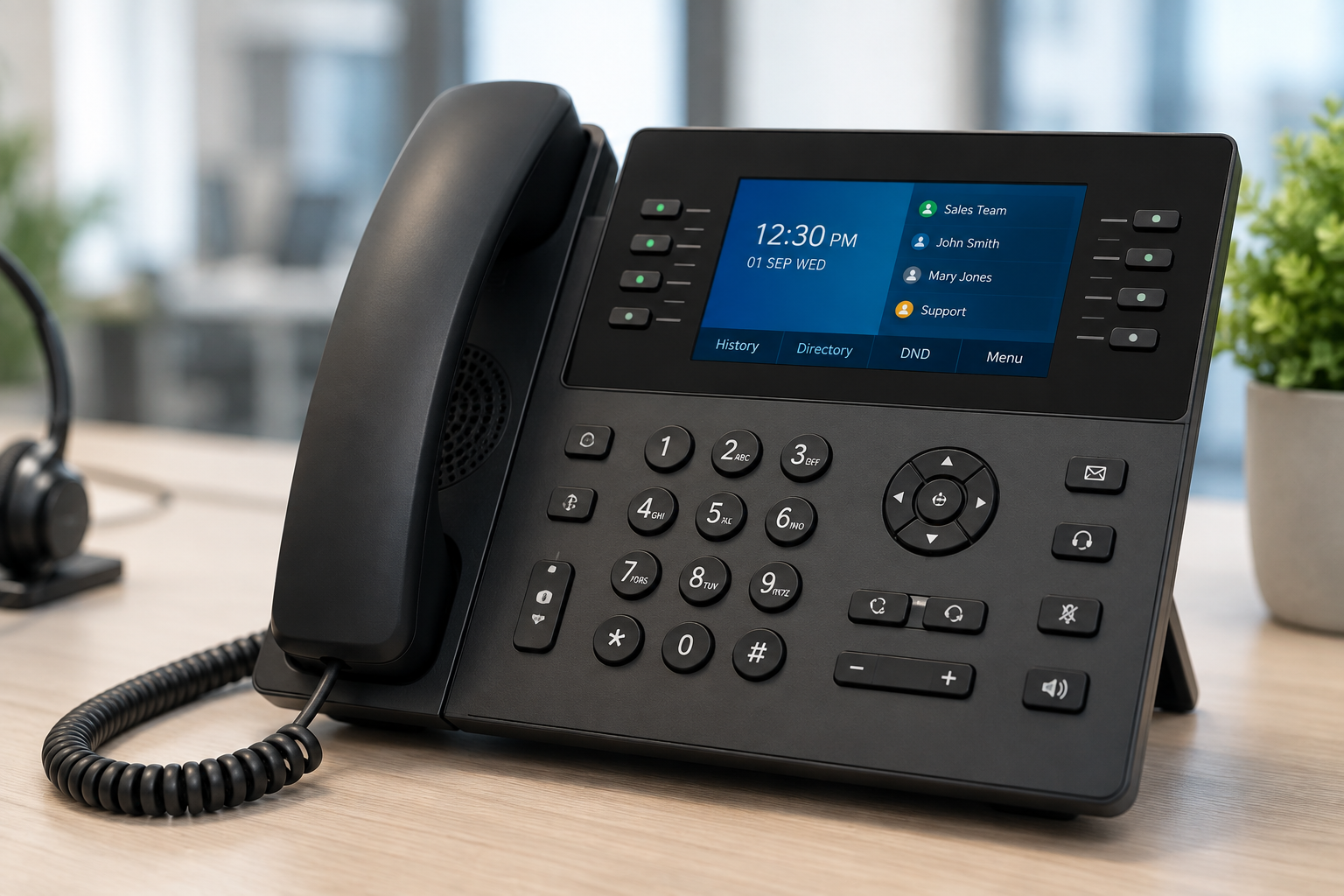
- IP Phones: Devices that use the internet to make calls instead of traditional phone lines.
- PBX (Private Branch Exchange): The internal phone network that manages call routing within the business.
- VoIP (Voice over Internet Protocol): Technology that converts voice into digital signals for transmission over the internet.
- Softphones: Software applications that allow calls from computers or mobile devices.
- Gateways: Hardware that connects traditional phone lines to IP networks if needed.
Each component plays a role in delivering clear, reliable communication. For instance, a business with multiple locations can use a cloud-based PBX to unify all offices under one system, enabling seamless internal calls and centralized management.
What is the new telephone system called?
The new telephone system widely adopted by businesses is known as VoIP (Voice over Internet Protocol). VoIP replaces traditional analog phone lines with internet-based communication. This system offers several advantages:
- Lower costs: Calls, especially international, are cheaper.
- Flexibility: Employees can use phones anywhere with internet access.
- Feature-rich: Includes call recording, video conferencing, and instant messaging.
- Easy upgrades: Software updates add new features without hardware changes.
VoIP systems can be hosted on-premises or in the cloud. Cloud-hosted VoIP reduces the need for physical infrastructure and simplifies maintenance. For example, a startup can deploy a cloud VoIP system quickly without investing in expensive hardware.

How to Choose the Right Business Telephone System
Selecting the right system depends on your business size, industry, and communication needs. Consider these factors:
- Call volume: High call volumes require robust systems with call queuing and routing.
- Remote work: Support for mobile and remote employees is essential.
- Integration needs: Ensure compatibility with existing software like CRM or ERP.
- Budget: Balance upfront costs with long-term savings.
- Scalability: Choose systems that grow with your business.
- Reliability: Look for providers with strong uptime guarantees and support.
I recommend conducting a needs assessment before purchasing. List your must-have features and compare vendors based on those criteria. For example, a logistics company might prioritize call recording and GPS integration, while a consultancy may focus on conference calling and mobile access.
Implementing and Maintaining Your Telephone System
Proper implementation ensures your system delivers maximum value. Follow these steps:
- Plan the deployment: Define timelines, assign responsibilities, and prepare infrastructure.
- Train staff: Provide training on new features and usage best practices.
- Test thoroughly: Conduct pilot runs to identify and fix issues.
- Monitor performance: Use analytics to track call quality and usage patterns.
- Schedule maintenance: Regular updates and backups prevent downtime.
Maintenance is critical. For example, updating firmware on IP phones can improve security and add functionality. Regularly reviewing call logs helps identify bottlenecks or training needs.
Future Trends in Business Telephone Systems
The evolution of business telephone systems continues with emerging technologies:
- AI-powered call management: Automated assistants and voice recognition improve customer interactions.
- Unified communications: Integration of voice, video, messaging, and collaboration tools into one platform.
- 5G connectivity: Faster, more reliable mobile communication enhances remote work capabilities.
- Enhanced security: Advanced encryption and fraud detection protect sensitive communications.
Staying informed about these trends helps businesses maintain a competitive edge. For instance, integrating AI chatbots can reduce wait times and improve customer satisfaction.
Final Thoughts on Modern Telephone Systems
Choosing and managing the right business telephone system is a strategic decision. It impacts communication efficiency, customer experience, and operational costs. By understanding the components, benefits, and future trends, you can select a solution that supports your business goals and adapts to changing needs.
If you want to explore options or need expert advice, consider consulting with professionals who specialize in advanced communication and security systems. They can tailor solutions that fit your specific requirements and ensure seamless integration with your existing infrastructure.
For more information on how to enhance your communication setup, visit this telephone system resource.
This guide aims to provide clear, practical insights into modern business telephone systems. Implementing the right technology today prepares your business for tomorrow’s challenges.